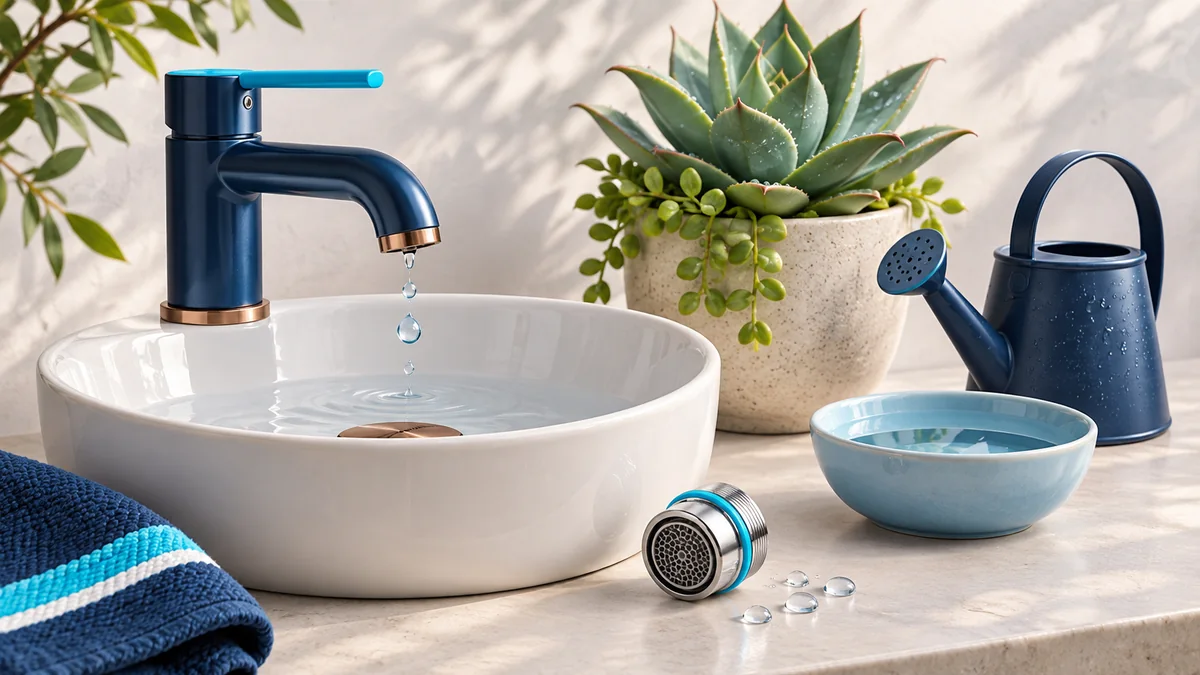
A water-wise home starts with understanding where water goes and stopping avoidable loss. Before buying new devices, check for leaks, running toilets and habits that use water without a useful purpose. Then consider suitable fittings and any larger system change. For Cape Town households, lasting improvements are usually easier to manage when they are practical, measurable and suited to the property’s actual routine.
Build a baseline you can understand
Look at consumption across comparable periods and note changes in occupancy, visitors, irrigation or appliances. A single account total does not explain where the water went. Keep simple notes instead of treating every increase as proof of waste or a fault. If you have meter information, use the instructions appropriate to that meter. The goal is a useful baseline for decisions, not a perfect forecast of what every future month should cost.
Deal with faults before optimising normal use
A dripping fitting, continuously filling toilet or unexplained damp area deserves assessment. Record what you can see and when it happens. Once a repair is completed, check that the original symptom has stopped and keep the invoice with your household records. Read our guide to hidden water leaks for investigation context. Avoid delaying an active leak while comparing water-saving products; a new shower head cannot resolve a damaged concealed pipe.
Choose fittings as part of the installation
When replacing taps, showers or toilets, discuss suitability and expected operation with the installer. Product flow information is useful, but compatibility, pressure and the way occupants use the fitting matter too. Keep the model details so maintenance parts can be identified later. If a fitting performs poorly, investigate the cause before assuming that every water-saving product is uncomfortable or ineffective. A sensible upgrade should remain practical for the people using it.
Make everyday routines easy to keep
Scrape plates into the appropriate waste stream, report running toilets promptly and avoid leaving taps flowing during tasks that do not need continuous water. Keep the routine specific rather than asking everybody to use less without an example. The City’s home water-saving page provides a current starting point for conservation guidance and links to relevant resources. Check official information when a rule or restriction matters; an old drought-era social post may no longer describe the current position.
Treat alternative water as a planned project
A rainwater or other alternative-water system involves source quality, storage, intended use and protection of drinking-water plumbing. The City’s application guidance sets out the approval process for alternative-water installations. Do not join a tank into existing pipework simply because it appears to save municipal water. Discuss the permitted uses and the professional design needed for the proposed arrangement before buying parts or committing to indoor connections.
Review what actually improved
Revisit the household’s observations after a repair or change. Compare similar periods and allow for changed routines rather than assigning a fixed saving percentage to every upgrade. Keep what works and investigate remaining unusual consumption. HWS Plumbing offers leak repairs, plumbing maintenance and water-tank and pump services. Contact us with the problem or project you want to address so the scope can be matched to your home.
Common questions
Should I replace every fitting to save water?+
Start by understanding use and fixing faults. Assess proposed fittings against the existing installation and household needs rather than buying everything at once.
Is harvested rainwater automatically suitable for indoor use?+
No. Intended use, quality, storage, treatment and applicable approval requirements must be considered. Do not connect it to household plumbing without a properly planned system.
Sources & further reading
Need help with your plumbing?
Explore our plumbing services or contact HWS Plumbing to discuss your needs.