A heat pump and a conventional electric geyser are different ways of providing hot water, but choosing between them needs more than an equipment price. Compare your household’s demand, the existing cylinder, available installation space and the complete work required. For a Cape Town home, the useful question is which system fits the property and its routine, not which technology wins in every situation.
Understand what the equipment does
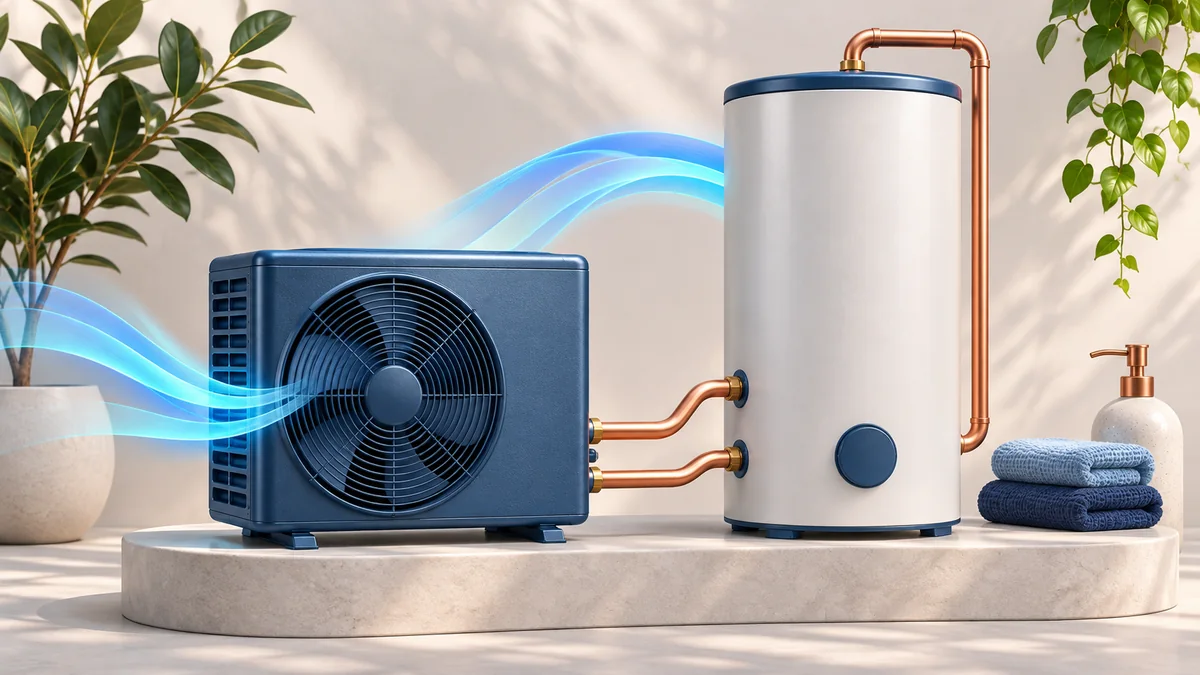
The City’s water-heating overview describes a heat pump as moving heat from the air into the hot-water system. A conventional electric element heats water differently. That distinction helps explain why installation requirements and operating behaviour differ, but it does not calculate your household’s future bill. Product specifications, installation design and actual use still matter. Ask the installer to explain the proposed arrangement in plain language, including what equipment remains in place.
Start with a hot-water profile
Count the people using the property and identify when showers, baths and kitchen demand overlap. A family home, a guest property and a home used only on weekends may have very different patterns. Record any current shortage of hot water rather than assuming the existing capacity is adequate. If future occupants or an additional bathroom are planned, include that information now. The purpose is to choose for realistic use instead of buying around a single busy morning.
Inspect the existing installation before budgeting
Ask whether the existing cylinder and pipework are suitable for the proposed change. Space, access, component condition and the relationship between the outdoor unit and storage arrangement can affect the work. A quotation based only on a model number may miss the building-specific requirements. Where another trade is needed, clarify who appoints it and whether its work is included. Keep electrical assessment and alterations with the appropriate competent professional rather than treating them as a household experiment.
Think about where the system will live
Consider access for servicing, the route of connected pipework and the manufacturer’s installation requirements. Discuss noise and the position relative to bedrooms or neighbouring units. In a complex, confirm applicable installation and appearance arrangements with management before committing to a location. Do not choose a cramped or inaccessible corner merely because it hides the equipment: a system should remain practical to inspect and maintain after the installation team has left.
Compare complete proposals using the same assumptions
Ask for the equipment, plumbing work, controls, commissioning and exclusions to be itemised clearly. If a saving estimate is offered, ask what usage, tariff and operating assumptions support it. Avoid treating a result from another property as a guarantee. Also compare servicing arrangements, warranty conditions and availability of the relevant parts. A more useful decision considers installation and ongoing ownership together rather than only the lowest purchase price.
Use your current problem to shape the next step
If the geyser is actively leaking or hot water has failed, address the immediate fault before a rushed technology change. A planned upgrade allows time to examine the alternatives properly. HWS Plumbing offers solar geyser and heat-pump services as well as geyser repairs and installations. View the heat-pump project for a specific example, then contact us with details of your property and hot-water needs.
Common questions
Does a heat pump replace the need to store hot water?+
Not necessarily. The full system arrangement, including the storage cylinder and controls, must be considered for the selected equipment.
Can every household expect the same saving?+
No. Hot-water use, installation design, equipment performance and operating conditions affect the outcome. Ask for assumptions behind any estimate.
Sources & further reading
Need help with your plumbing?
Explore our plumbing services or contact HWS Plumbing to discuss your needs.